British Birthday Traditions Reimagined
Birthdays in the UK are a delightful blend of time-honoured customs and playful modern twists, reflecting the nation’s knack for weaving tradition with innovation. The classic Victoria sponge cake, layered with jam and cream, remains a centrepiece at many birthday tables—a sweet nod to British baking heritage that often shares space nowadays with cupcakes and themed bakes inspired by everything from Harry Potter to Love Island. Yet, it’s not just about cake; the infamous “birthday bumps” continue to bemuse and amuse. Friends gleefully lift the birthday person into the air—one bump for each year—an age-old ritual still alive in school playgrounds and family gatherings, though perhaps with a little more caution as the years (and bumps) mount up. These celebrations also reveal how British birthdays increasingly embrace global influences and personal flair: from afternoon teas and pub quizzes to escape room parties and astrology-inspired gift-giving. In this way, every birthday becomes a lively intersection of nostalgia and newness, a distinctly British celebration that looks both backwards to cherished customs and forwards to creative reinterpretations.
2. Festivals Across the Isles: A Tapestry of Celebration
The UK’s cultural calendar is a vibrant patchwork, each festival steeped in history yet constantly evolving. These events not only mark the passage of time but also serve as moments when communities reaffirm their unique identities and values. From ancient rites to modern multicultural gatherings, festivals across Britain reflect both regional flavour and the nation’s openness to new influences.
Key UK Festivals and Their Regional Roots
| Festival | Region/City | Cultural Significance |
|---|---|---|
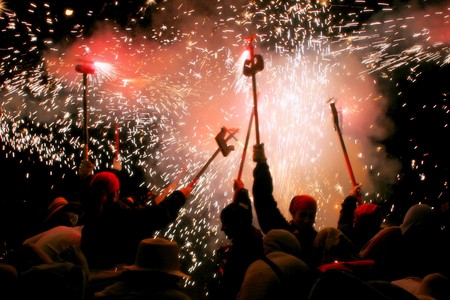
| Bonfire Night (Guy Fawkes Night) | Nationwide, especially Lewes (Sussex) | Commemorates the foiling of the Gunpowder Plot in 1605; marked by fireworks and bonfires, with strong local traditions in Lewes |
| May Day | Oxford, Padstow (Cornwall), Scotland | A celebration of spring’s arrival, featuring maypole dancing and traditional music; Oxford hosts dawn choir singing from Magdalen Tower while Padstow’s ‘Obby ‘Oss’ festivities bring the town alive |
| Notting Hill Carnival | London (Notting Hill) | Europe’s largest street festival celebrating Caribbean heritage, diversity, and resilience through vibrant parades, costumes, and music |
Regional Influences: More Than Just Geography
The rich variety of these festivals demonstrates how local history and demographics shape communal celebrations. In Cornwall, May Day echoes ancient Celtic customs, while Notting Hill Carnival arose from postwar migration and the desire for visibility among Afro-Caribbean Londoners. Even Bonfire Night, although rooted in national history, reveals fierce regional pride—nowhere more so than in Lewes, where elaborate processions blend political commentary with tradition.
Festivals as Community Identity Markers
These occasions are more than mere parties—they are vital expressions of collective identity. They offer opportunities for intergenerational storytelling and often coincide with astrological markers or seasonal changes (such as Beltane or midsummer). Whether uniting neighbours over shared history or inviting newcomers to join the dance, each festival helps weave together Britain’s ever-evolving social tapestry.

3. The Enduring Fascination with Astrology in British Life
Astrology, with its celestial maps and mysterious allure, has long woven itself into the fabric of British culture. Despite the UK’s reputation for rationalism and scientific scepticism, star signs have never lost their popular appeal. Whether it’s the daily horoscope column tucked away in the Metro during the morning commute or a more elaborate birth chart reading at a local spiritual fair, astrology finds a multitude of ways to nestle into everyday life across the UK.
Horoscopes: A Staple of British Media
The enduring popularity of horoscopes in newspapers and magazines is a uniquely British phenomenon. For generations, Britons have looked to these bite-sized predictions for guidance, entertainment, or simply as a conversation starter over tea. It’s not uncommon to overhear colleagues at work comparing star sign compatibility or chuckling over an uncannily accurate forecast in the pages of The Sun or The Telegraph. This casual yet pervasive engagement reflects how astrology comfortably straddles both pop culture and personal curiosity in Britain.
Spiritual Fairs and New Age Markets
Beyond print media, astrology thrives within the vibrant ecosystem of spiritual fairs and New Age markets dotted across British towns and cities. From Brighton to Glastonbury, these gatherings are hubs where astrologers offer personalised readings alongside tarot card sessions and crystal healing. Such events draw people from all walks of life—students, retirees, professionals—demonstrating how astrology transcends age and background to become a shared cultural experience. These fairs create a space for community connection, introspection, and often a playful sense of self-discovery anchored in one’s birth chart.
Why Star Signs Still Captivate
What is it about astrology that continues to captivate the British public? Perhaps it’s the blend of nostalgia and novelty; while some see horoscopes as harmless fun harking back to childhood memories, others view star signs as tools for reflection or even personal empowerment. In a society renowned for its understated emotional expression, astrology offers a language for discussing hopes, worries, and aspirations—often wrapped in humour or gentle irony. Ultimately, whether taken seriously or lightly, astrology maintains its niche by providing both comfort and curiosity—a window into how individuals relate to themselves and their wider cultural traditions.
4. When Stars Align: Overlaying Birthdays and Star Signs
In the UK, birthdays have always been a time for cake, cards, and cheerful gatherings. Yet, in recent years, there’s a growing fascination with astrology that’s reshaping how these personal milestones are celebrated. The intertwining of birthday traditions and star sign beliefs is giving rise to new trends such as ‘star sign parties’ and astrological gifting, reflecting a distinctly British take on celestial connections.
The Rise of Star Sign Parties
Star sign-themed celebrations are increasingly popular across Britain, especially among millennials and Gen Z. These parties go beyond the simple “Happy Birthday” banner—they’re tailored to the celebrated person’s zodiac sign. For instance, a Taurus party might feature earthy tones and indulgent food spreads, while a Leo bash could be all about gold décor and dramatic entertainment. The trend taps into the British love of quirky themes, blending fun with a dash of self-exploration.
Astrological Gifting: Thoughtful or Trendy?
Gift-giving has long played a key role in UK birthday culture. Now, astrology-inspired presents—think birthstone jewellery, personalised star maps, or even books about horoscopes—are becoming increasingly mainstream. There’s an emphasis on matching the gift to the recipient’s sun sign traits, which adds a layer of thoughtfulness (and sometimes gentle banter) that aligns perfectly with British wit.
Popular Astrological Gifts by Star Sign
| Star Sign | Typical Traits | Gift Ideas |
|---|---|---|
| Aries | Adventurous, energetic | Experience days (e.g., driving, climbing), sports gear |
| Cancer | Nurturing, sentimental | Personalised photo albums, scented candles |
| Virgo | Organised, practical | Stationery sets, wellness planners |
| Sagittarius | Free-spirited, philosophical | Travel journals, inspirational books |
A Crossroads of Personal Identity and Social Rituals
This overlay between birthdays and star signs speaks to broader shifts in UK society—a move towards more personalised rituals that embrace both tradition and individuality. Whether viewed as meaningful spirituality or just harmless fun, these trends offer Britons fresh ways to connect with themselves and each other when marking life’s milestones.
5. Cultural Crossroads: Blending Heritage, Modernity, and the Cosmos
The United Kingdom stands as a vibrant crossroads where centuries-old traditions meet contemporary global influences. This unique position not only shapes the ways Britons celebrate birthdays and festivals but also informs the country’s relationship with astrology. From Burns Night in Scotland to Diwali in Leicester, each celebration is coloured by both its cultural roots and the UK’s ever-evolving multicultural landscape. At these gatherings, it’s increasingly common to see traditional customs—like sharing Victoria sponge or wearing paper crowns at Christmas—interwoven with new-age elements such as star sign-themed party games or astrology-inspired gifts.
Heritage Meets New-Age Spirituality
Modern Britain embraces a plurality of beliefs and practices. Astrology, once considered fringe, now sits comfortably alongside longstanding religious rituals and secular celebrations. In many British households, it isn’t unusual for a birthday toast to be followed by a light-hearted discussion of one’s sun sign traits or the reading of horoscopes from the weekend papers. This blend reflects a broader shift towards personalised spirituality—where tarot cards might be pulled at a Lunar New Year gathering or birth charts discussed over afternoon tea.
Diverse Astrological Interpretations
Britain’s diversity has also broadened its astrological horizons. While Western zodiac signs remain popular, there is growing curiosity about Chinese zodiac animals, Vedic astrology from India, and even Indigenous Celtic lunar cycles. This melting pot encourages celebrants to draw inspiration from multiple traditions; for example, someone might combine their own birthstone (a British custom) with their corresponding animal from the Chinese zodiac when choosing a birthday gift.
Unique Celebratory Experiences
This cultural synthesis fosters truly unique experiences. A Londoner might mark their birthday with both a pub lunch steeped in local tradition and an astrology-themed karaoke night influenced by global trends. Community festivals often feature workshops on mindfulness and guided meditations based on planetary alignments—a testament to how open-minded and adaptive British celebrations have become. In embracing this crossroads of heritage, modernity, and cosmic curiosity, people in the UK are continually reshaping what it means to come together in celebration.
6. Why It Resonates: The British Approach to Personal and Cosmic Meaning
Reflecting on the intricate dance between cultural traditions and star signs in the UK, one can’t help but notice how these layers of meaning speak volumes about British attitudes towards fate, identity, and the search for significance. There is a distinctively British way of taking both birthdays and astrology with a pinch of salt yet cherishing their rituals as anchors in life’s unpredictable sea. Whether it’s gathering for a birthday tea, raising a glass at a festival, or reading one’s horoscope in the morning paper, these moments become gentle affirmations of continuity in an ever-changing world.
The Value of Rituals, Old and New
Britons often find comfort in the familiar rhythms of tradition—lighting candles on a Victoria sponge, donning silly hats for Christmas crackers, or exchanging cards adorned with zodiac symbols. These acts are rarely about blind belief; instead, they are ways to carve out moments of belonging and joy amid modern uncertainties. Even as society becomes more secular and diverse, such rituals persist, subtly evolving while retaining their core promise: connection to something larger than oneself.
Fate Versus Free Will: A Characteristically British Balance
Astrology’s popularity here isn’t so much about surrendering to fate as it is about playful self-exploration. Brits might read their star sign forecasts with a wry smile, using them as conversation starters or private musings rather than strict instructions. This reflects a national tendency towards scepticism blended with curiosity—a willingness to flirt with cosmic possibility without fully committing. It’s less about divining destiny and more about finding stories that help us make sense of our place in the universe.
Finding Meaning in the Everyday
Ultimately, what these intertwined traditions reveal is a collective yearning for meaning—whether found in ancient festivals passed down through generations or the comforting predictability of the zodiac calendar. In Britain, these practices offer not just nostalgia or escapism but opportunities for reflection and celebration. They remind us that while we may never control the stars or dictate fate, we can shape our own narratives by weaving together heritage, humour, and hope. And perhaps that’s the quiet magic at the heart of British culture: an ability to honour both earthbound customs and celestial mysteries without ever taking ourselves too seriously.