1. Origins of Bonfire Night
Bonfire Night, known to many across the British Isles as Guy Fawkes Night or Fireworks Night, is a tradition rooted in a remarkable chapter of England’s history. Its origins can be traced back to the early 17th century and the infamous Gunpowder Plot of 1605, when Guy Fawkes and his fellow conspirators attempted to blow up the Houses of Parliament in a dramatic bid to restore Catholic rule. The plot was foiled on the night of November 5th, sparking nationwide relief and leading to public celebrations that soon became an annual custom. Over time, this event evolved beyond its political beginnings; communities gathered around blazing bonfires, burning effigies of Guy Fawkes and lighting fireworks to commemorate the survival of King James I. Through centuries of observance, Bonfire Night has developed into a uniquely British occasion, woven with local folklore, celestial symbolism, and communal festivity—each year echoing both historical remembrance and the collective spirit of the nation.
2. Celestial Omens: Fire and the Night Sky
The crackle of bonfires and the dazzling bursts of fireworks on Bonfire Night are more than mere spectacle; they hold a place of reverence within British tradition, deeply entwined with centuries-old beliefs regarding celestial omens. In communities across the UK, these fiery displays were interpreted as messages from the cosmos, each flicker and spark carrying potential meanings for those who knew how to read them.
The Symbolism of Fire
Within British folklore, fire itself is a potent symbol—both protective and prophetic. The act of lighting a communal bonfire was thought to ward off evil spirits and misfortune as winter approached. Villagers would gather around the flames, sharing tales of old, and some believed that the way the fire burned could predict the coming season’s fortunes or failures. A tall, steady flame might signify a prosperous winter ahead, while sputtering embers could be seen as a warning of hardship or illness.
Fireworks: Signs in the Sky
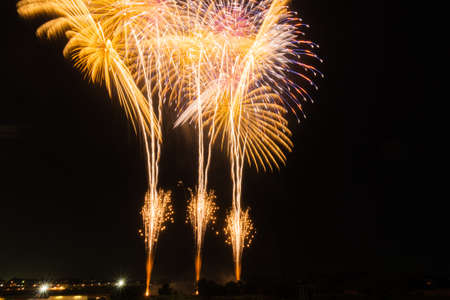
As fireworks light up the November sky, their unpredictable patterns and colours have long been scrutinised for signs and omens. Tradition holds that unusual shapes or exceptionally loud bangs might foretell significant events or changes within the community. Elders sometimes claimed that red sparks heralded passion or conflict, while gold signified wealth or good harvests in the year to come.
Traditional Interpretations Table
| Element | Traditional Meaning | Associated Folklore |
|---|---|---|
| Bonfire Flame (tall and steady) | Good fortune, protection from evil | Blessings for the village; safe winter |
| Bonfire Flame (low or sputtering) | Difficulties ahead, warnings | Poor harvest or illness likely |
| Red Firework Sparks | Passion, conflict | Stirring of emotions or disputes to settle |
| Gold Firework Bursts | Wealth, prosperity | A bountiful year is expected |
| Loud Firework Bangs | Change, important news | A major event approaching |
A Glance at Celestial Signs Above
The night sky itself was not to be ignored during Bonfire Night festivities. Many would peer upward between bursts of light, searching for shooting stars or unusual cloud formations, interpreting these as further guidance from above. Such observations blended seamlessly with astrological traditions—where the placement of planets and stars on this night was thought to influence the collective fate of both families and entire villages.

3. Folk Predictions and Weather Lore
Within the heart of Bonfire Night celebrations lies a tapestry of ancient customs, where the British people have long looked to the elements for guidance on the seasons ahead. The behaviour of bonfires themselves—how they burn, sputter, or glow—has traditionally been regarded as a celestial omen. Should the flames rise bright and clear into the November night, it is often taken as a sign of a mild winter; if they struggle against dampness or smoulder low, many would whisper of harsh frosts to come.
Beyond the flames, villagers and townsfolk alike would cast their eyes skyward, interpreting the play of smoke in the air and the pattern of stars above. A sky veiled in thick cloud on Bonfire Night was thought to herald rain-soaked months, while a crisp, starlit firmament promised good fortune and abundance for the coming year. In rural communities especially, these signs were heeded with genuine care, influencing everything from farming plans to household preparations.
Children gathered close to elders would listen intently to tales of how a sudden change in wind direction during the lighting of the Guy Fawkes effigy foretold unforeseen events or reversals of luck. Even the crackling sounds from within the fire—their frequency and pitch—were woven into predictions about health, happiness, and prosperity.
Such folk wisdom endures not merely as quaint superstition but as an expression of deep-rooted respect for nature’s rhythms. In every leaping spark and drifting ember, generations have found reassurance that—even amidst uncertainty—their fortunes are intimately tied to both earth and sky. These customs, passed gently from hand to hand around flickering firesides, remain a cherished part of Britain’s autumnal folklore.
4. Regional Variations and Local Superstitions
Bonfire Night, while unified by the commemoration of the Gunpowder Plot, displays a rich tapestry of regional customs and superstitions across the United Kingdom. Each locality infuses the event with unique rituals, symbols, and folk beliefs—many of which reflect deeper celestial or seasonal meanings rooted in British tradition.
Distinctive Rituals Across the Country
From the grand processions in Lewes to intimate village gatherings in Yorkshire, Bonfire Night is celebrated with varied enthusiasm and local flair. In some areas, effigies other than Guy Fawkes are burned, representing historical figures or even local personalities. The selection and display of these effigies often carry symbolic messages about justice, fortune, or communal values.
Local Omens and Predictions
Throughout Britain, Bonfire Night has long been associated with divinatory practices and portents for the year ahead. Some communities believe that the direction of smoke from the bonfire foretells coming weather patterns or agricultural success. Children in certain regions recite traditional rhymes while circling the fire, each verse believed to summon luck or ward off misfortune.
Regional Customs Table
| Region | Custom/Ritual | Superstition/Meaning |
|---|---|---|
| Lewes (Sussex) | Burning multiple effigies; torchlit processions | Cleansing past grievances; foretelling community harmony |
| Lancashire | Bobbing for apples at fireside gatherings | Success in apple-bobbing predicts romantic luck or prosperity |
| Northern Ireland | Baking barmbrack (fruit loaf) with charms hidden inside | The charm found predicts future fortune or marriage prospects |
| Yorkshire Dales | Singing old ballads around the fire | The clarity of voices interpreted as an omen for winter health |
| Cornwall | Swinging firebrands on hilltops (“tar barrels”) | Ritual cleansing; believed to drive away evil spirits for the season ahead |
Symbolism Woven Into Local Lore
The interplay of firelight and darkness on Bonfire Night has inspired myriad folk interpretations over centuries. For many Britons, the act of gathering around a communal blaze is seen as not just an act of remembrance but also as a means of forging collective resilience against both literal and metaphorical winter’s chill. Even today, families share tales of ancestral omens—such as seeing sparks fly high predicting good tidings, or hearing unexplained noises in the night forecasting change.
5. Modern Bonfire Night: Continuity and Change
In the present day, Bonfire Night endures as a cherished British tradition, yet it reflects both the continuity of ancient beliefs and the inevitable currents of change. The communal gatherings around roaring bonfires and dazzling fireworks still evoke a sense of awe that once was reserved for interpreting celestial omens. While modern revellers may not gaze skyward to divine the future in quite the same way as their forebears, the symbolism remains potent; the explosive beauty of fireworks echoes the historic fascination with signs from above. Folk predictions—once whispered by firelight—have largely yielded to festive storytelling and playful superstition, with children and adults alike sharing tales of luck or love linked to the night’s events. Nevertheless, subtle threads connect past and present: some families continue to read meanings into the patterns of smoke or the behaviour of flames, blending inherited wisdom with contemporary celebration. As Bonfire Night evolves, it demonstrates how traditions can adapt without losing their essence, allowing each generation to kindle its own light while honouring those who came before.